
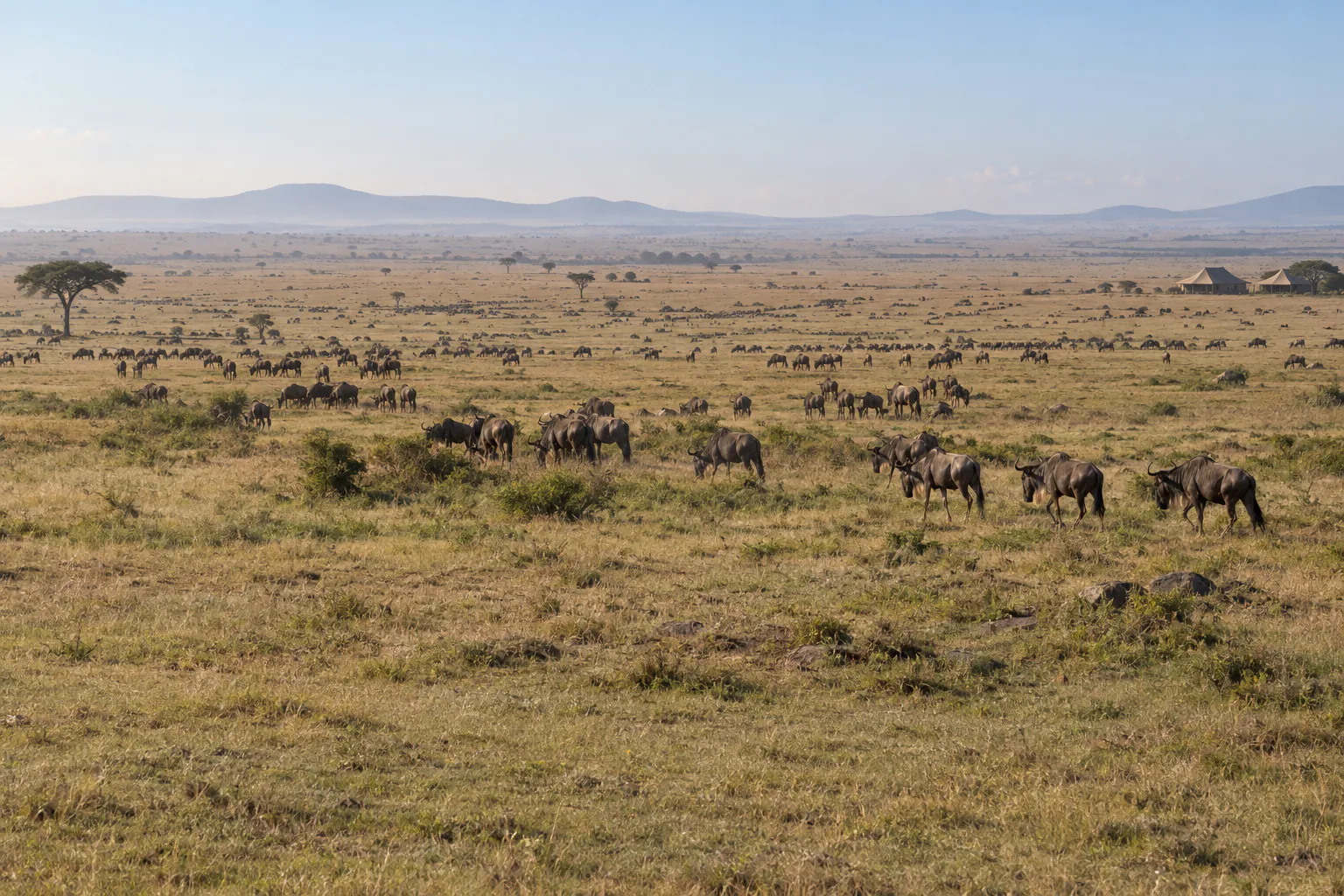
Where the herds are in every month of the year, from the calving plains of Ndutu to the Mara River crossings, and how to choose the right camp for your dates.
Every year around 1.5 million wildebeest, joined by hundreds of thousands of zebra and gazelle, walk a great loop through the Serengeti and Kenya’s Maasai Mara. They follow the rain and the fresh grass it brings. There is no single “migration season”: the herds are somewhere in the ecosystem all year round. The secret is knowing where they are likely to be when you travel, and staying close to them.
Here is how our guides think about the year. Rains shift a little each season, so treat the months as a guide rather than a timetable.
January to March: calving on the southern plains
After the short rains, the herds gather on the short-grass plains of the southern Serengeti and the Ndutu area, on the edge of the Ngorongoro Conservation Area. The grass here is rich in minerals, and in February around half a million calves are born in just a few weeks.
This is the most intimate part of the migration. Calves are on their feet within minutes, and predators are never far away, so it is also one of the best times of year for lion and cheetah sightings. Mobile camps move to Ndutu for the season, which puts you right among the herds at first light.
April and May: the long rains
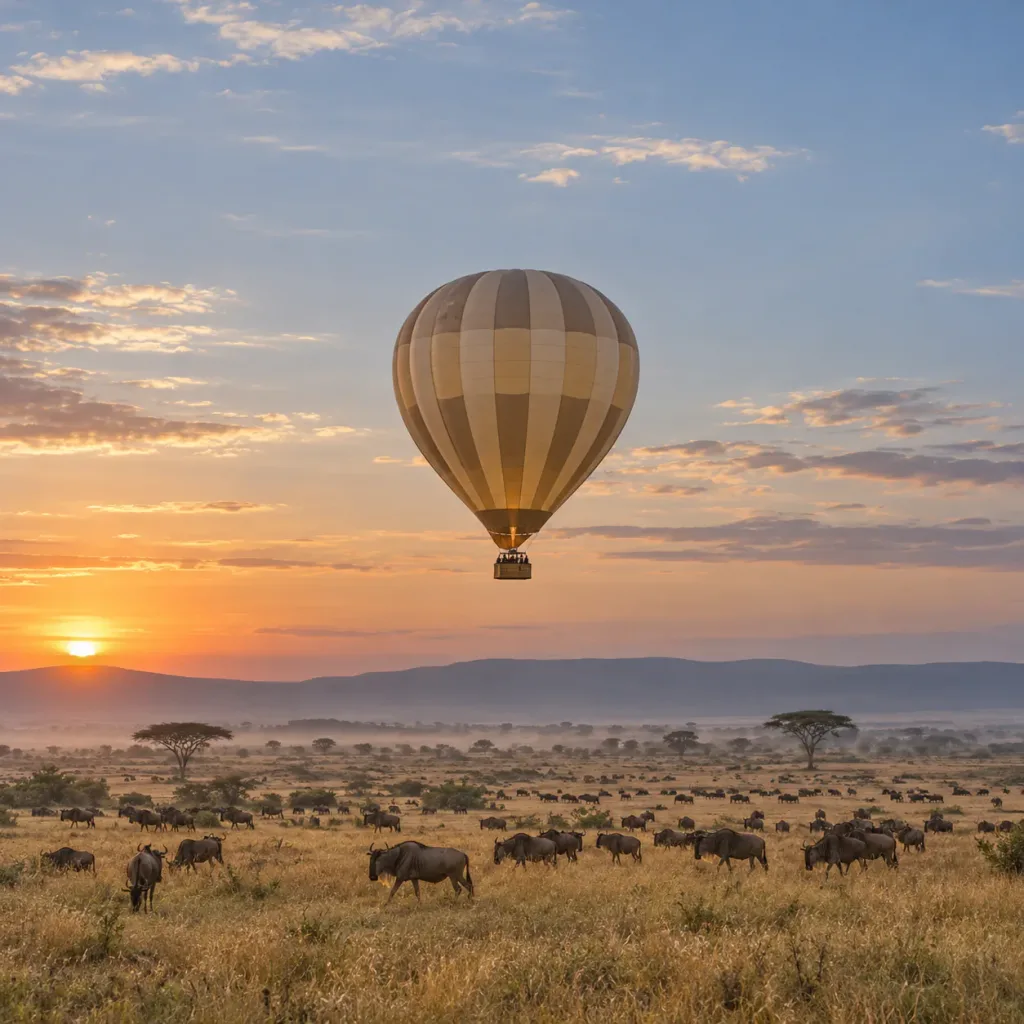
The long rains turn the plains green and the herds begin to move north and west through the central Serengeti. Some camps close, roads can be muddy, and you will see fewer vehicles than at any other time of year. Prices are at their lowest.
If you love dramatic skies, empty landscapes and a sense of having the park to yourself, this is a wonderful time to travel. It needs a flexible guide who knows which tracks are passable.
June and July: the Western Corridor and the Grumeti
As the plains dry out, the herds push into the Western Corridor and must cross the Grumeti River, home to some of the largest crocodiles in Africa. By July the leading herds reach the northern Serengeti.
July to October: the Mara River crossings
This is the season most people picture. The herds gather on the banks of the Mara River in the northern Serengeti and in Kenya’s Maasai Mara, then plunge across in their thousands. A crossing can happen several times a day, or not at all for days. Patience is everything.
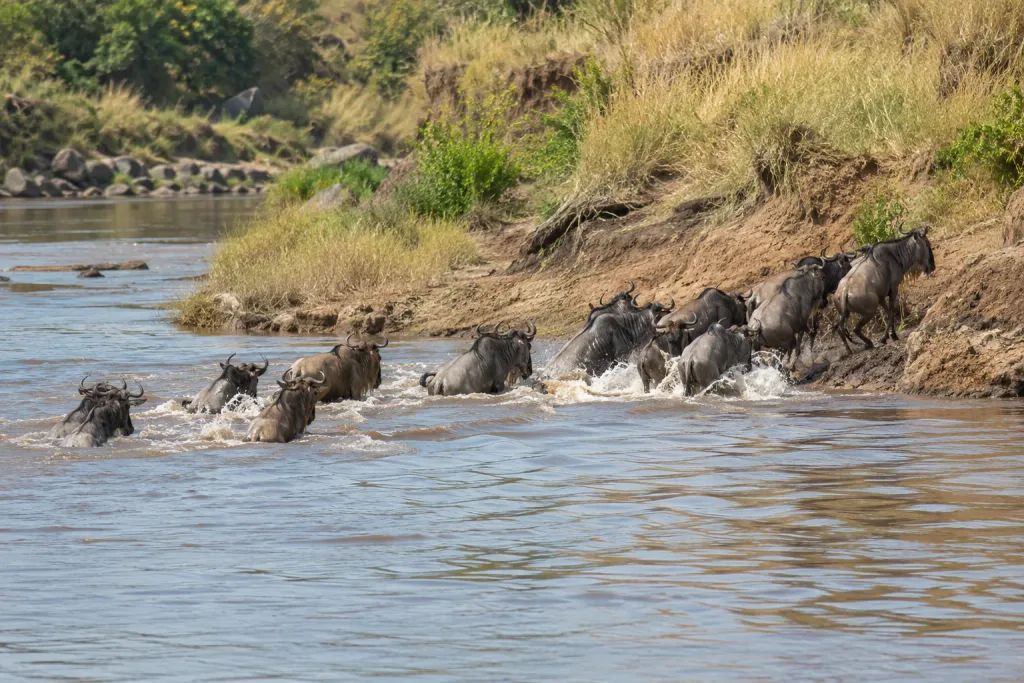
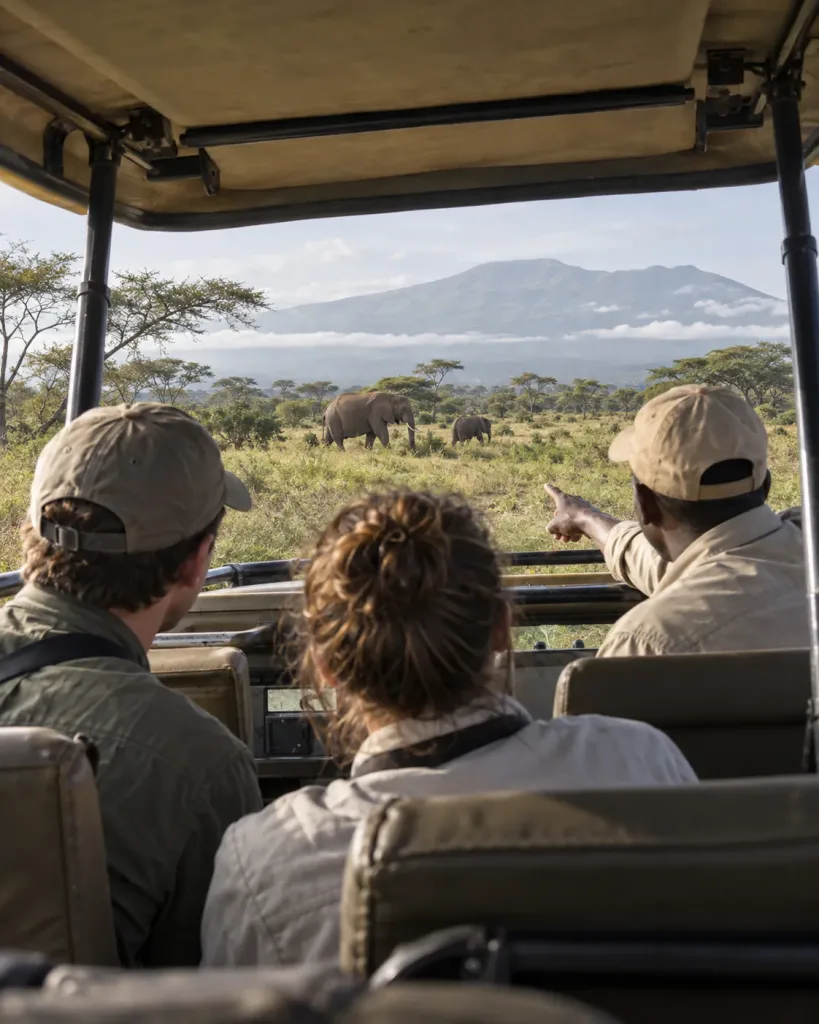
Stay in the northern Serengeti (around Kogatende) or in a Mara conservancy rather than the busiest parts of the reserve. You will share crossings with far fewer vehicles, and conservancies allow walking safaris and night drives.
November and December: the return south
The short rains arrive and the herds stream back south through the eastern Serengeti towards the calving grounds, ready to begin again. It is a quieter, greener time to travel, and a lovely choice for a festive season safari.
How to choose your dates
- For newborn calves and big cats: late January to early March, in Ndutu and the southern Serengeti.
- For river crossings: August and September, in the northern Serengeti or a Mara conservancy.
- For space and lower prices: April, May and November, with a flexible itinerary.
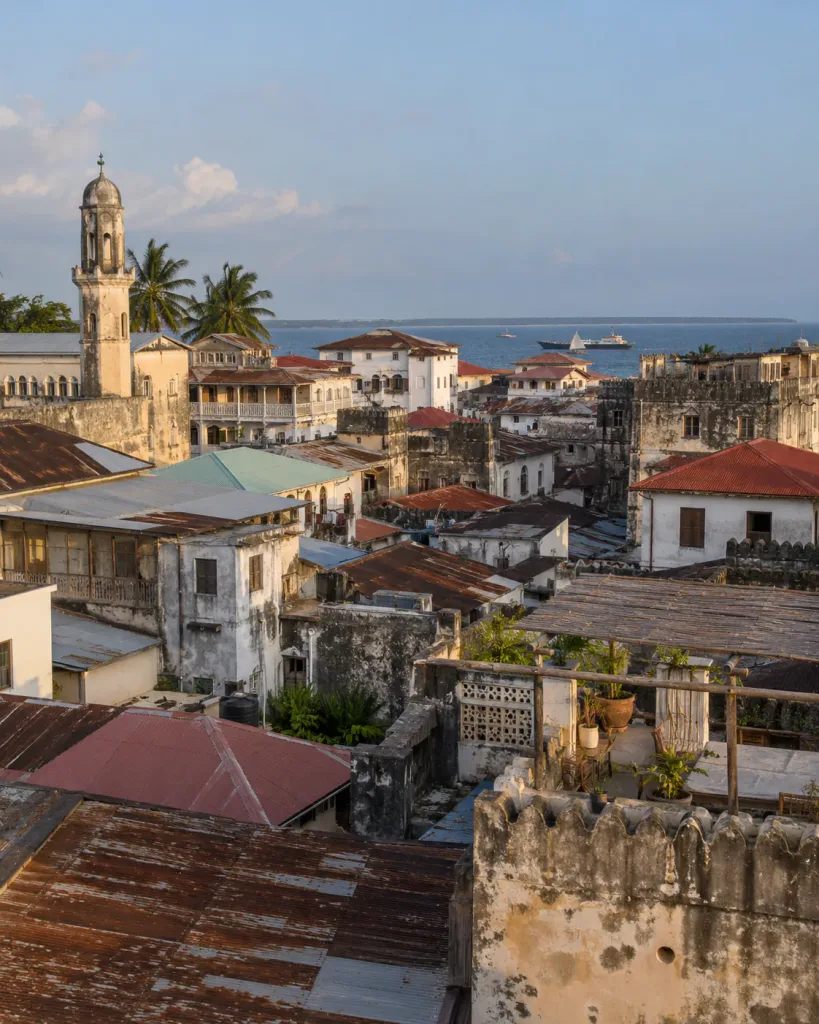
- For a migration safari with a beach finish: any month, with a few nights in Zanzibar at the end.
The migration does not keep a calendar. We plan around where the herds are this year, not where a brochure says they should be.
Whenever you travel, the best migration safaris are slow ones. Three nights in one well-placed camp is worth more than five nights spent driving between parks. Tell us your dates and we will suggest the camp most likely to put you in the right place.