
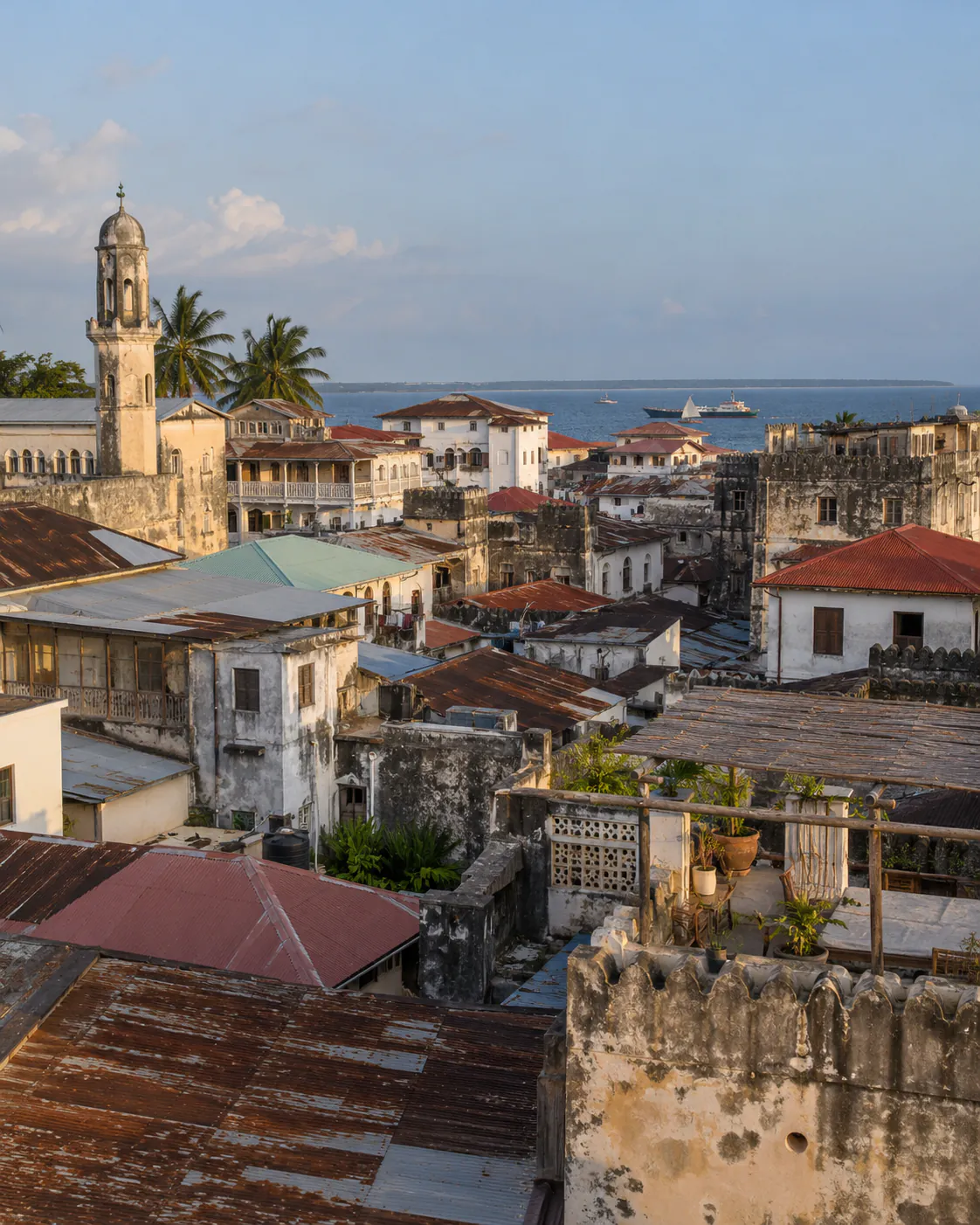
The beaches are beautiful, but the island's real magic is in its people: carved doors and rooftop suppers in Stone Town, clove farms, red colobus monkeys and the seaweed farmers of Jambiani.
Most travellers come to Zanzibar to rest after a safari, and the white sand and turquoise water deserve every bit of their reputation. But spend all your time on a sun lounger and you will miss what makes the island special: a Swahili culture shaped by centuries of trade between Africa, Arabia, Persia and India.
Here is how we like to show guests the island.
Start in Stone Town
Stone Town, the old heart of Zanzibar City, is a UNESCO World Heritage Site and a maze of narrow lanes built from coral stone. Walk it with a local historian and the buildings start to talk: the carved wooden doors with their brass studs, the merchants’ houses, the old fort, the mosques, churches and Hindu temples standing a few streets apart.
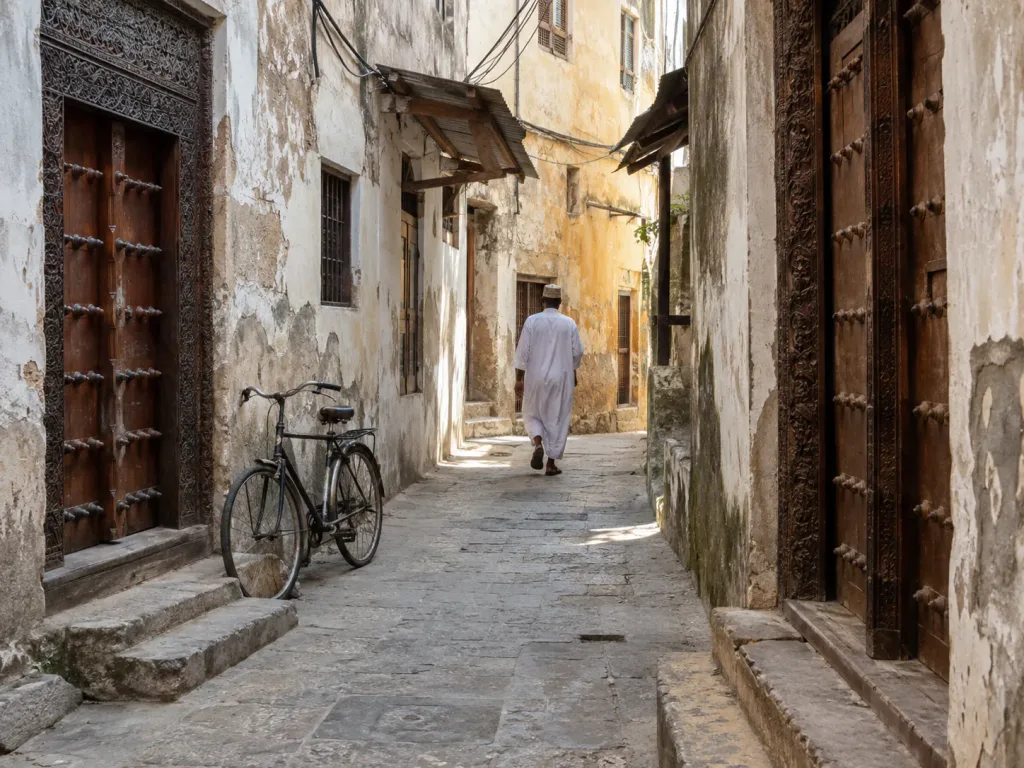
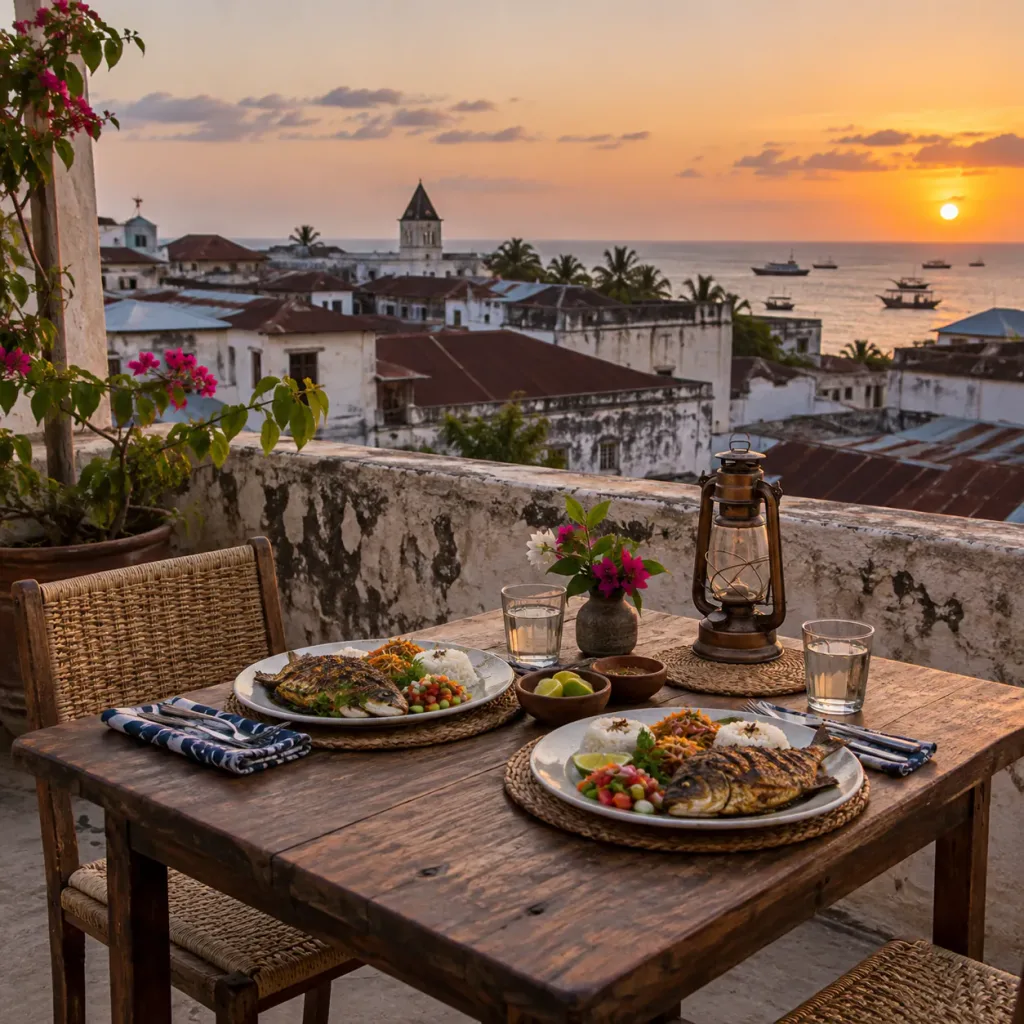
Visit the site of the former slave market, now a sober and important memorial at the Anglican cathedral. Then, as the sun goes down, join the crowds at the Forodhani Gardens night market on the waterfront, or climb to a rooftop for dinner as the call to prayer echoes over the town.
The spice island
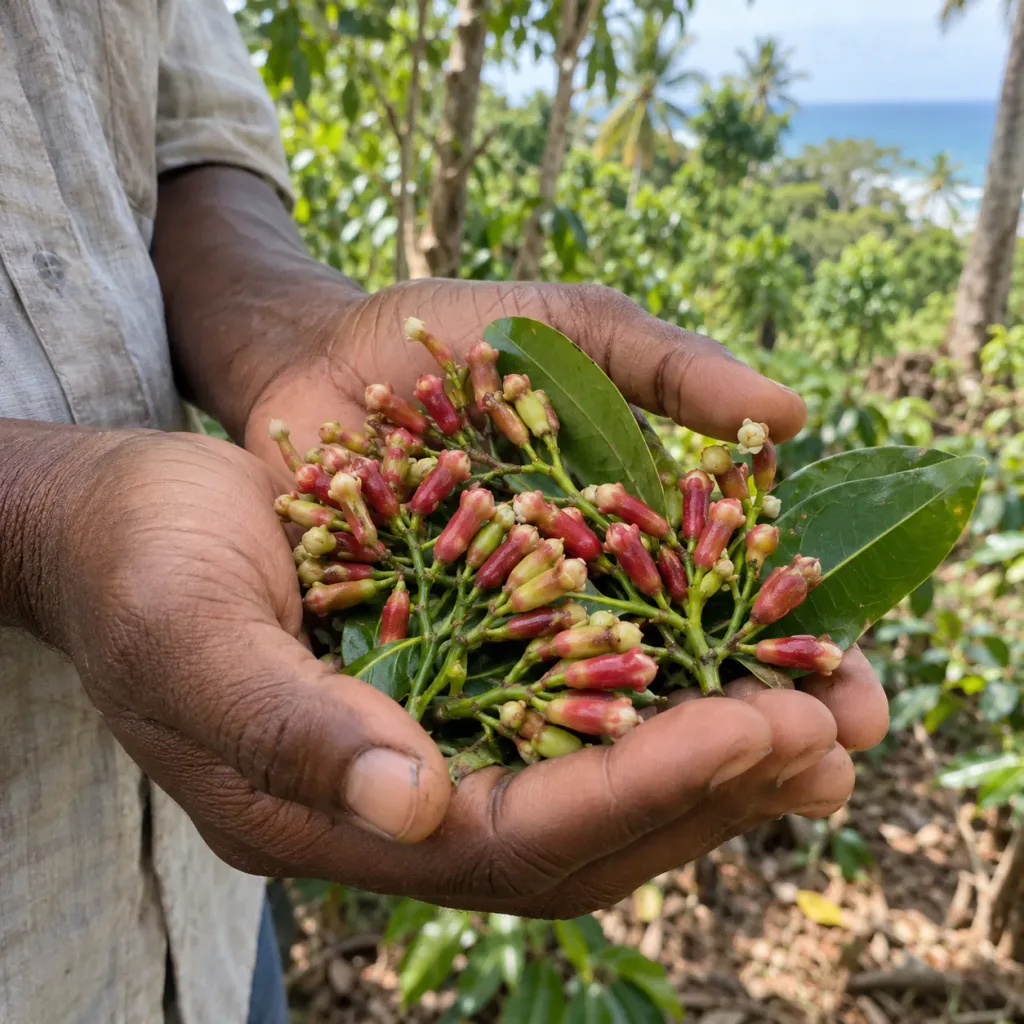
Zanzibar’s nickname is well earned. On a family spice farm you can taste cloves, nutmeg, cinnamon, vanilla, lemongrass and black pepper straight from the plant, and learn how cloves once made the island one of the richest places on the Indian Ocean. Many visits end with a home-cooked Swahili lunch, which is often the highlight.
Jozani Forest and the red colobus
In the south of the island, Jozani Chwaka Bay National Park protects the Zanzibar red colobus, a monkey found nowhere else on Earth. They are curious and photogenic, and a short walk with a park guide usually brings you close. The boardwalk through the nearby mangroves is a peaceful extra.
The seaweed farmers of the east coast
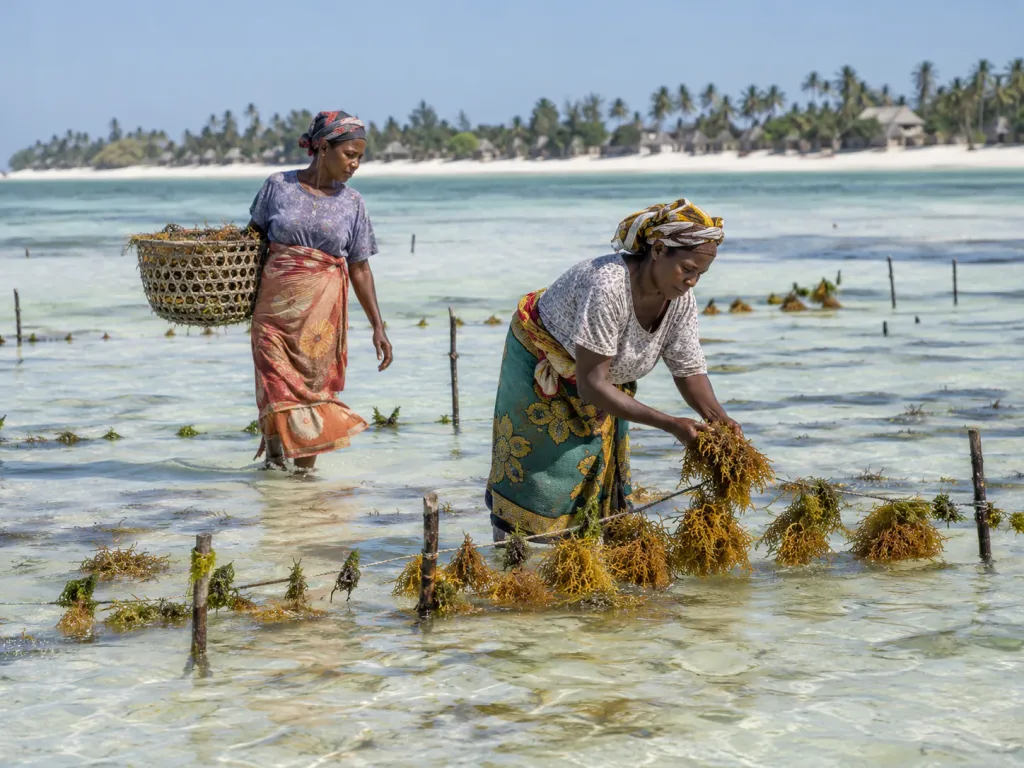
At low tide in Jambiani and Paje, the shallows fill with women tending neat rows of seaweed tied to wooden stakes. Seaweed farming is one of the island’s most important sources of income for women, and a visit to a seaweed cooperative, where it is turned into soaps and oils, is a lovely way to support it directly.
Sail a dhow
Wooden dhows are still built by hand on the beach at Nungwi, in the far north, using skills passed down through generations. Watch the boat builders at work, then head out on a sunset dhow sail, or spend a morning snorkelling around the reefs of the Mnemba Atoll.
A few things to know
- Dress modestly away from the beach. Cover shoulders and knees in Stone Town and the villages. A light scarf or sarong is perfect.
- Ask before taking photos of people, especially women.
- Ramadan changes the rhythm of the island. Restaurants in Stone Town may open later, and it is polite not to eat or drink in public during the day. It is also a beautiful time to see the town come alive after sunset.
- Choose your beach by the tide. The east coast has big tidal changes, while the north (Nungwi and Kendwa) is better for swimming at any time of day.
Give Zanzibar two days for its culture and the rest of your stay to the sea. You will understand the island, not just see it.
How long to stay
Three or four nights works well after a safari: one or two in Stone Town and the rest on the coast. Our Swahili Coast journey shows how we put it together, and we can add Zanzibar to the end of any Tanzania or Kenya safari with a short flight.